
The connection to alcohol is why rosacea of the nose is commonly attributed to alcoholic nose. Many of the above names reference the size and shape of an alcoholic nose, however it should be noted that other conditions can cause this appearance that are not related to alcohol. It’s true that alcohol can aggravate certain skin conditions and cause them to worsen, but it isn’t thought to cause them. Alcohol intolerance is a genetic condition in which the body can’t break down alcohol efficiently. Consulting with a dermatologist who knows you and your situation is best to determine a personalized treatment plan. This treatment plan may include medications, laser therapy, and even surgical procedures.
Is Ketamine Abuse on the Rise in Young People?

Regularly hydrate by consuming adequate water, as alcoholic nose this supports skin health and elasticity. Implement a consistent skincare routine that includes moisturizing and the use of antioxidants, which can help counteract damage caused by alcohol consumption. Additionally, consider reducing alcohol intake to minimize its adverse effects on the skin, thereby promoting overall well-being and appearance. Frequently, individuals grappling with alcohol-related challenges may find themselves contemplating the need for professional help and support.
- Excess alcohol consumption can also cause psoriasis, a condition that results in flaky and itchy skin.
- Rhinophyma is classified as a subtype of rosacea, marked by thickened skin and changes primarily around the nose.
- There are many reasons that your nose may be red, and alcohol probably isn’t one of them.
- Many individuals who don’t drink excessively can still develop rhinophyma due to their genetics or a chronic skin condition.
How Do I Choose the Right Fentanyl Rehab Facility in Colorado?
- While alcohol doesn’t directly cause rosacea, it can trigger rosacea flare ups and worsen symptoms, especially in those with a pre-existing skin condition.
- Dermabrasion involves removing the top layers of thickened skin to create a smoother surface.
- Studies have found little connection 1 between alcoholic nose and alcohol.
- Alcoholic facial symptoms include redness, broken capillaries, puffiness, and a flushed appearance, particularly around the nose and cheeks.
The most common side effect of rosacea in people who drink is flushed skin. With time, rosacea can worsen, and for people who drink alcohol heavily, this can mean developing rhinophyma. If you’re worried about alcohol consumption leading to drinker’s nose or rhinophyma, you may also show signs of alcohol abuse. That being said, there may be some slight truth to the idea that drinking alcohol can contribute to the development of rhinophyma. The https://ecosoberhouse.com/ primary cause of an alcoholic nose is rhinophyma, a subtype of rosacea, a chronic skin condition characterized by facial redness and chronic inflammation. Rhinophyma typically develops in individuals with fair skin and a family history of rosacea.
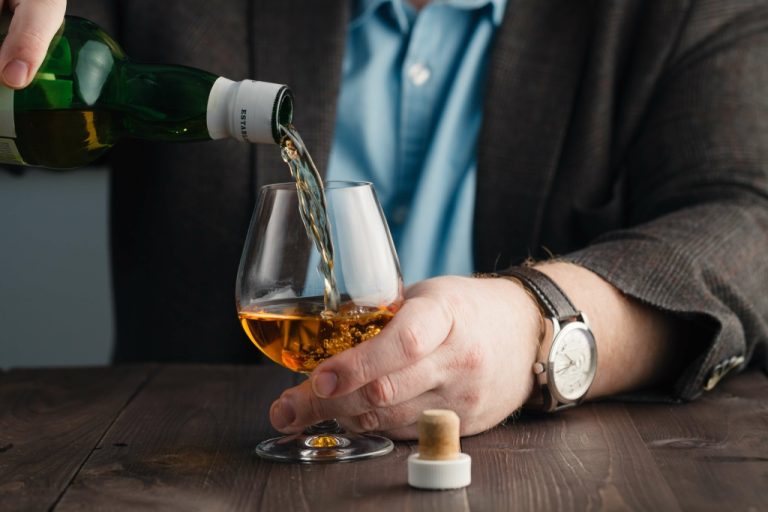
What are the signs of alcoholic nose and what does it look like?
Rosacea is a skin condition that is characterized by red cheeks or red patches on the face along with visible blood vessels. If alcohol consumption is a significant factor in your rhinophyma or rosacea symptoms, addressing the alcohol addiction is crucial. Working with addiction specialists and undergoing addiction treatment can help you overcome addiction and improve your skin’s health. Alcoholism is a serious problem that affects millions of people around the world.
How Do I Find the Right Walk-In Alcohol Rehab in Colorado?

Sebaceous glands are typically colonized with bacteria, which can contribute to inflammation when they become plugged. Rhinophyma, commonly referred to as alcoholic nose, is a condition in which the nose takes on a red coloration and becomes enlarged in a bulbous shape. Sober living house By looking at it from this perspective, someone with agitated rosacea or rhinophyma will have a visible agitation of their skin. Thus, somebody who is an alcoholic and rhinophyma may have a redder and more bulbous nose than their red, and bulbous nose usually is. Because alcoholic nose and alcoholism are not officially connected, it is hard to say that alcoholic nose points to an addiction. However, if somebody has rhinophyma or rosacea and drinks heavily, their symptoms will be agitated.